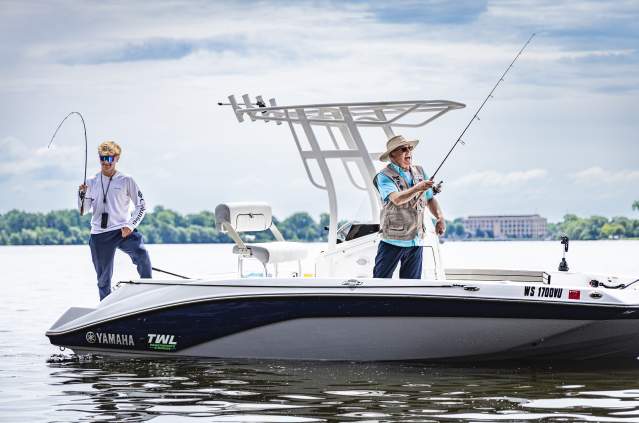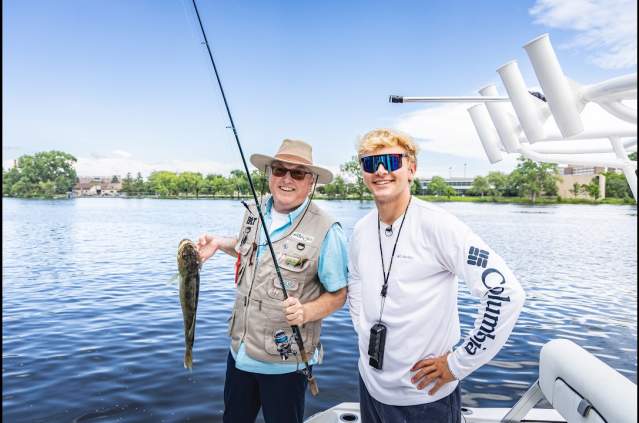

If you love the outdoors as much as I do, you know the feeling of warm temperatures slipping away in the fall as the cold Wisconsin winter sets in. The Lake Winnebago System is full of hungry fish in the fall season, and I'll share with you how I have success fishing this area in the article below.
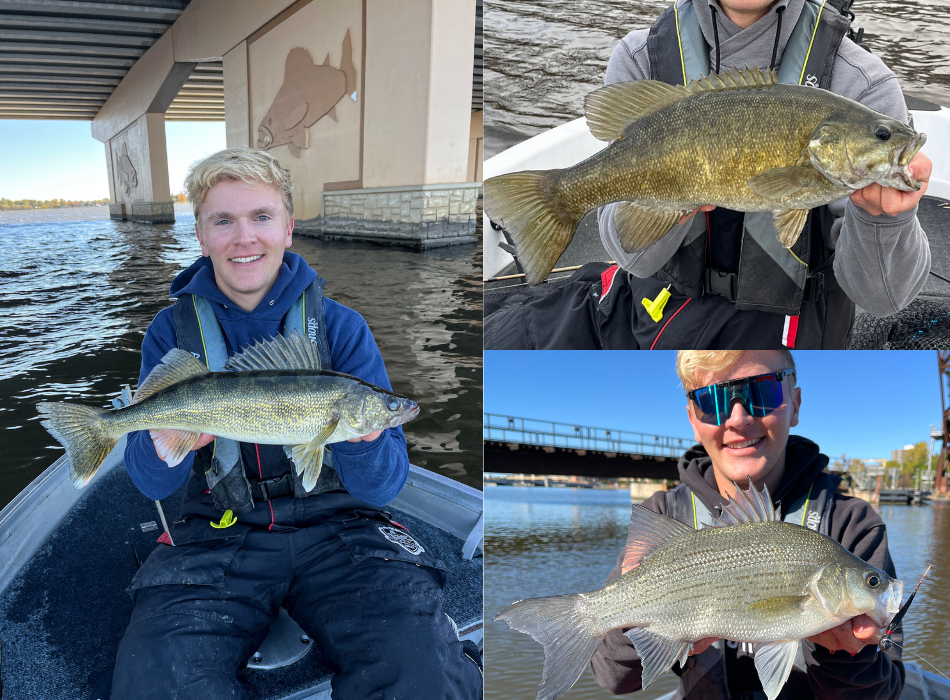
For Walleyes, Smallmouth, and White Bass, I’ll often drift along shallow shorelines with weeds or rock structures as my main target. I’ve had a lot of success for both Walleyes and Bass in the fall by casting 1/4oz hair jigs, swimbaits, and ned rigs. Hair jigs are effective by snapping them up and letting them fall back down through the weeds, with ned rigs producing fish when dragged slowly along the bottom. Paddletail swimbaits have worked best on a slow retrieve, such that the tail of the bait is barely wobbling back and forth. From late August till typically early October, I can get away with a fairly quick retrieve. During the colder months of October and November, I have significantly more success by slowing down the retrieval of my lure. Fish slow down their activity level as the water temperatures drop, so slowing down can make your bait much more enticing to a slow-moving fish.
When fishing in the fall, it’s important to remember that fish are already thinking of spring. The Wisconsin Department of Natural Resources has found that 15-20% of the Walleyes in the Lake Winnebago System begin their spring migration up the Fox River in the fall, while the rest don’t move through until late winter and early spring. The Walleyes and White Bass spawn all the way up on the Wolf River in the spring, and some of them get a head start on this long journey in the fall. When fishing in the river, I upsize my hair jigs to 3/8oz, which is heavier than the size I use on the lake to account for deeper water and the presence of current in the river. For White Bass, hair jigs work well, but I also catch a lot of them on 1/4oz Reef Runner Cicada blade baits. These baits put off a lot of flash and vibration, imitating the minnows the bass are eating.
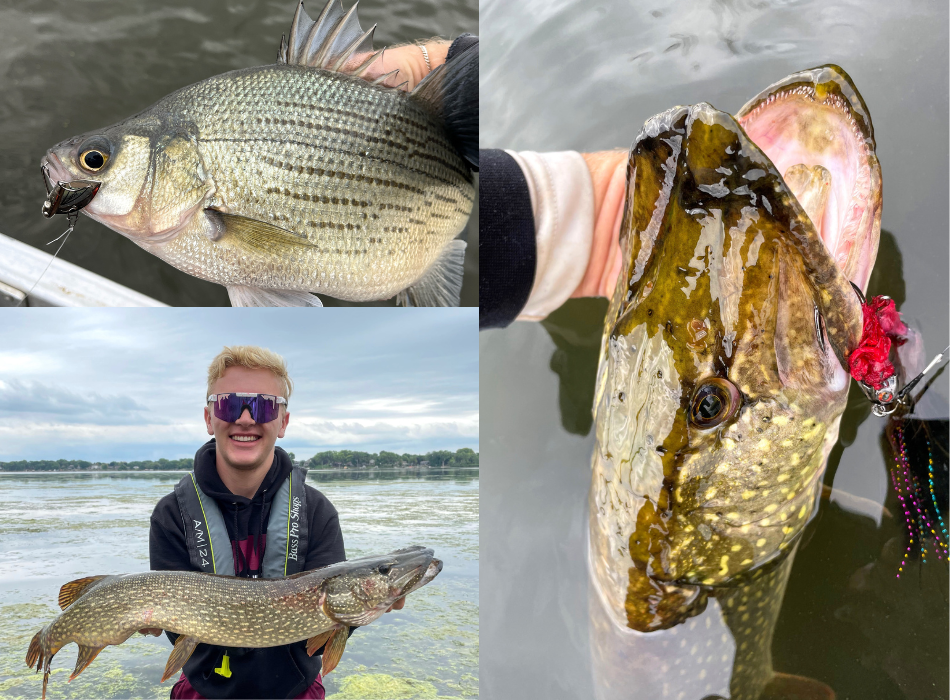
Northern Pike are one of the leanest, meanest, fighting machines in the midwest. They hit with aggressive, heart-stopping strikes on a variety of lures, but a few have been the most consistent for me. Bladed jigs are loud-vibrating baits that can be casted and reeled quickly over large stretches of water to help you narrow down where the fish are. I do best with these 3/8oz baits by putting a Kalin’s Hammered Paddletail swimbait on the hook, as it adds a realistic tail to the swimming movement of the bait. The size and shape of these bladed jigs with a swimbait tail perfectly imitate small bluegills, which are one of the main food sources for Northern Pike in this system. If the fish aren’t hitting these baits, I’ll switch to a 10-12” weighted fly. This is a slower technique, but it serves as a great finesse approach when twitching and pulling the fly along to imitate a struggling fish. Northern Pike don’t typically school up, but some days you’ll find almost every fish in a similar depth or type of structure. For me, fishing weeds in 2-6 feet of water is most effective on the upper lakes of the Lake Winnebago System.
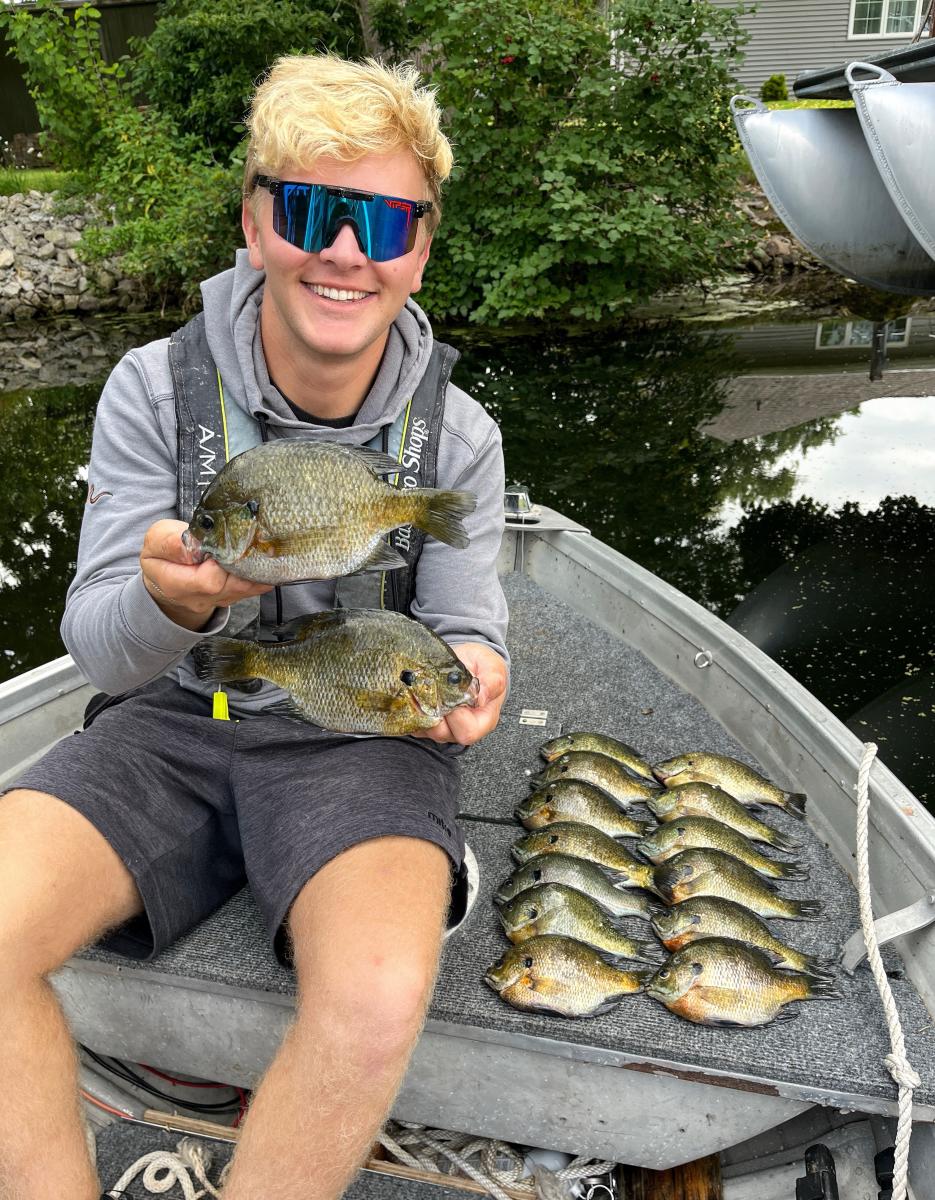
When it comes to panfish, such as Bluegill and Perch, I use an unusual tactic to my advantage. Thinking ahead a few months, when the water is so cold that ice forms on the surface, most ice anglers have success in the shallow weedy areas on the lake. I’ve found that schools of panfish can be found in these areas long before ice covers the lake, and I do especially well there about a month before the ice shows up. The shallow weeds are the last living weeds in the lake in the late fall, while the deeper weeds will die off in mid-late fall.
Catching these cold-water panfish is simple, once again looking ahead a few months at what I use through the ice. My most effective approach to catching Bluegill and Perch through the ice on this system involves a small jig with no live bait needed. These jigs are the 1/64oz or 1/32oz VMC Bullfly Jigs. Since I can’t sit over a hole in the ice during the fall, I will simply cast these jigs out under a small bobber. With this approach, I’ve been able to catch panfish for a meal as late as the end of November, when snow is beginning to fall!
In case you haven’t picked up on the trend by now, a big key to my success when fall fishing is to find living weeds. These weeds hold baitfish and release oxygen for all sorts of underwater life to survive, which attracts larger fish that anglers like myself want to catch. After a cold day on the water, visit Becket’s for a hot bite to eat and a place to warm up. For live bait and more info on fishing in the area, stop by Fish Tales in Oshkosh.
Good Luck Fishing!